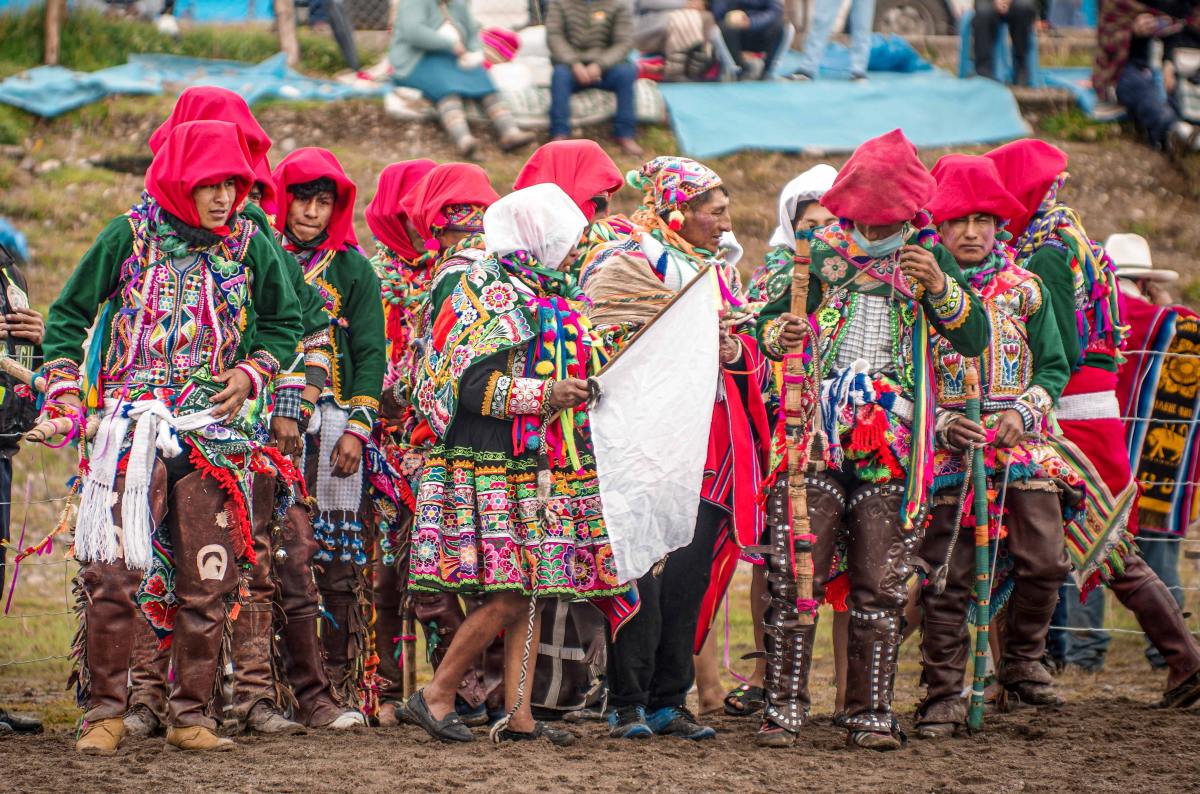
Unveiling the Unknown: 10 Hidden Cultures That Will Transform Your Perspective
In our increasingly globalized world, there exist numerous hidden cultures that offer unique worldviews and practices, often overlooked by mainstream society. These cultures, ranging from indigenous tribes to isolated communities, provide insights into human resilience, creativity, and connection to the environment. By exploring such hidden gems, we can gain profound understanding and appreciation for the diversity of human experience. Here are 10 hidden cultures that promise to transform your perspective:
- The Himba People of Namibia: Renowned for their unique tradition of body adornment and a deep connection to their ancestral lands.
- The Sámi of Northern Europe: A reindeer-herding indigenous people with a rich cultural heritage and sustainable practices.
- The Yawanawa of the Amazon: Guardians of the rainforest with vibrant rituals that celebrate their connection to nature.
- The Ainu of Japan: Indigenous people with a distinct language and traditions centered around nature worship.
- The Kuku Yalanji of Australia: An Aboriginal group whose rich storytelling and deep ecological knowledge foster respect for their lands.
- The Maasai of East Africa: A proud semi-nomadic tribe known for their vibrant attire and warrior culture.
- The Zafimaniry of Madagascar: Woodcarvers renowned for their intricate designs reflecting their beliefs and traditions.
- The Kalash of Pakistan: A group celebrated for their vibrant festivals and unique pagan practices.
- The Tuvan People of Siberia: Known for their throat singing and shamanistic traditions amidst the stunning landscapes of Tuva.
- The Merina of Madagascar: A society that blends African and Asian influences, offering a unique take on community and heritage.
Curiosity Awaits: How to Experience Authentic Local Cultures While Traveling
Traveling is not just about visiting landmarks; it's about immersing yourself in the rich tapestry of local cultures. To truly experience authenticity, consider staying in locally-owned accommodations instead of international hotel chains. Seek out family-run guesthouses, bed and breakfasts, or homestays that offer a glimpse into daily life. Additionally, frequent local markets and eateries where you can taste traditional dishes and interact with the people who make them. This not only supports the community but also allows you to engage in conversations that can reveal unique cultural stories and practices.
Moreover, participating in community events or local workshops can significantly enrich your travel experience. Look for opportunities to join cooking classes, artisan workshops, or cultural festivals where you can learn traditional crafts or dance. Engaging with locals during these activities often leads to deep interactions and lasting friendships. As you navigate new environments, remember that curiosity is your best guide. Embrace the unknown, and let it lead you to authentic experiences that will transform your perception of travel and the world around you.
What Are the Most Fascinating Cultural Traditions Around the World?
The world is a vibrant tapestry of cultural traditions, each telling a unique story of its people. From the elaborate Day of the Dead celebrations in Mexico, where families honor their deceased with joyous festivities, to Japan's serene Hanami tradition of cherry blossom viewing, cultural practices often reflect a society's values and beliefs. Additionally, the Diwali festival in India symbolizes the triumph of light over darkness, bringing families together to celebrate with fireworks, sweets, and rituals that have been passed down through generations.
Across continents, we also see intriguing customs like the La Tomatina festival in Spain, where thousands gather to participate in a massive tomato fight, showcasing the power of community and fun. Meanwhile, the Maasai people of East Africa celebrate their rites of passage with vibrant attire and traditional dances, deeply rooted in their history. These cultural traditions not only serve as a means of expression but also foster a sense of identity and continuity, reminding us of our shared humanity in an increasingly globalized world.