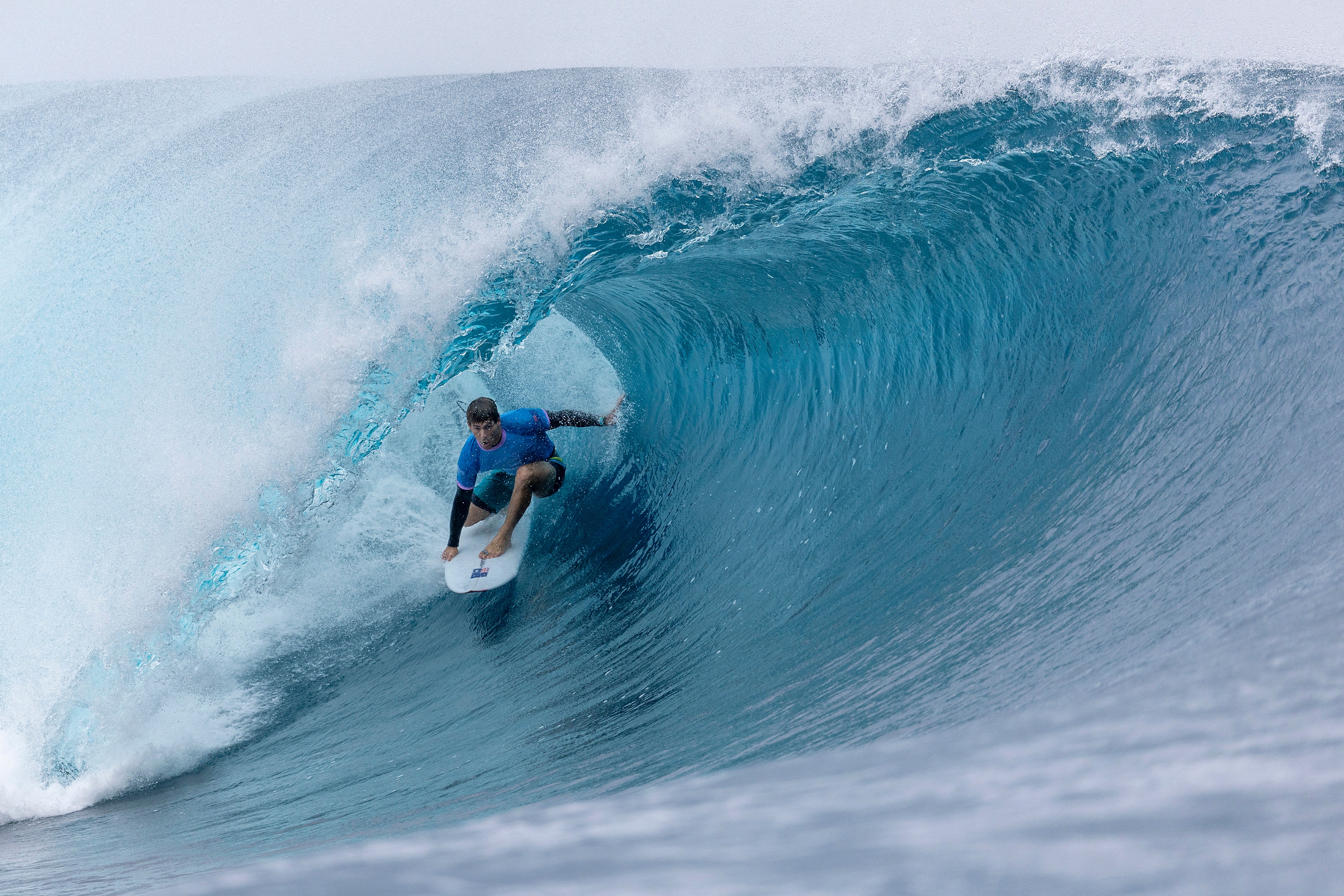
Top 10 Surfing Destinations You Need to Visit
If you’re an adventure seeker looking for your next wave, exploring the top 10 surfing destinations should be on your bucket list. Each location offers unique challenges and breathtaking scenery that can enhance your surfing experience. From picturesque beaches with consistent waves to vibrant surf cultures, these destinations are a surfer's dream. Here’s a taste of what’s waiting for you:
- Hawaii - Known as the birthplace of surfing, with iconic spots like Waikiki and the Banzai Pipeline.
- Australia - Home to the legendary Gold Coast and Margaret River, perfect for surfers of all levels.
- Bali - A tropical paradise renowned for its perfect swells and stunning sunsets.
- California - Offers a variety of surf breaks from Malibu to Trestles that attract surfers worldwide.
- Portugal - Famous for its powerful waves at Nazaré, as well as numerous hidden beaches along the coast.
- South Africa - With spots like Jeffrey's Bay, known for its long right-hand point breaks.
- Indonesia - Offers world-class surfing in places like Uluwatu and G-Land.
- Mexico - From the beaches of Baja to the famed Puerto Escondido, it's a surfer’s paradise.
- Costa Rica - Known for its warm waters and variety of waves, perfect for all abilities.
- Fiji - Famous for its powerful reefs and incredible surf conditions.
How to Choose the Right Surfboard for Your Skill Level
Choosing the right surfboard is essential for maximizing your enjoyment and performance on the waves. Your skill level is a crucial factor in this decision, as it dictates the type of board that will suit you best. Beginners typically benefit from wider, longer boards that offer more stability, such as a soft-top longboard, which provides a great platform for learning the basics. Intermediate surfers may prefer a shortboard or a funboard that allows for easier maneuverability while still providing some stability. Finally, advanced surfers often opt for performance-driven boards that are shorter and thinner, which enable quicker turns and higher speeds.
When selecting a surfboard, consider these key aspects based on your skill level:
- Volume: A higher volume board provides more buoyancy, ideal for beginners.
- Length: Longer boards are more stable, while shorter boards allow for quicker turns.
- Shape: A wider nose and tail enhance stability for less experienced surfers.
- Material: Soft-top boards are safer for beginners, while fiberglass boards offer better performance.
What Are the Essential Surfing Techniques Every Beginner Should Master?
Surfing is an exhilarating sport that requires a blend of skill, balance, and technique. For beginners, mastering the essential surfing techniques can make a world of difference in their progress and enjoyment of the waves. Some of the most crucial techniques include:
- Paddling: Understanding how to paddle effectively allows beginners to catch waves and navigate the surf with ease.
- Pop-Up: This technique is vital for transitioning from lying on the board to standing quickly and smoothly.
- Positioning: Knowing where to sit on your board and how to position yourself to catch waves is key to successful surfing.
In addition to these foundational skills, beginners should also focus on board control and wave reading. Board control involves practicing how to shift your weight and balance on the surfboard, allowing for smoother turns and maneuvers. Wave reading is about understanding the ocean's dynamics—recognizing the best waves to ride and when to paddle for them. By concentrating on these essential surfing techniques, beginners can build confidence and ensure a fun, rewarding surfing experience.